Disposal permits fines Lambeth cleaners must know
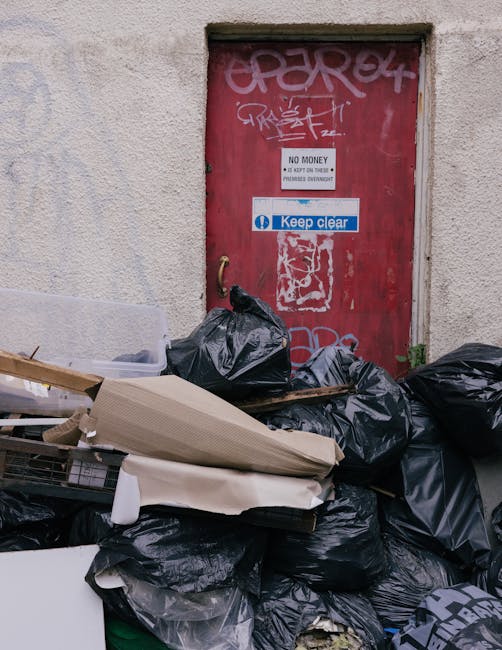
If you clean homes, offices, or post-build sites in Lambeth, waste disposal is not just a back-office detail. It can affect your margins, your reputation, and whether a simple job turns into a costly headache. The reality is that disposal permits, fly-tipping rules, and fines can catch out even experienced teams, especially when a van is full of mixed rubbish, contaminated cloths, broken fittings, or leftover building waste after a long day on site.
This guide explains Disposal permits fines Lambeth cleaners must know in plain English. We will look at what the issue really means, how it works in practice, where fines tend to happen, and what cleaners can do to stay compliant without turning every job into a paperwork marathon. To be fair, most problems are avoidable once you know what matters.
Why Disposal permits fines Lambeth cleaners must know Matters
Waste from cleaning jobs is often more varied than people expect. A domestic deep clean might produce bagged rubbish, old textiles, and a few broken items. An end-of-tenancy clean can leave behind bulky waste and forgotten household junk. After builders work can create dust, plaster, offcuts, packaging, and contaminated materials that need careful handling. Once waste is mixed or dumped in the wrong place, the problem can quickly move from operational to legal.
In Lambeth, as in the rest of London, enforcement can become expensive fast if waste is handled badly. A permit may be needed for certain disposal arrangements, and fines or enforcement action can follow if waste is left where it should not be, carried without proper arrangements, or transferred to an unlicensed person. That is the bit cleaners must know: the clean-up itself is only half the job. The other half is proving that the waste left your control in a lawful way.
It matters because clients usually do not care about the admin until something goes wrong. Then they care a lot. If a neighbour complains about bags left near a pavement, or a landlord asks where the skip went, you want a clear answer, not a shrug and a vague memory from Tuesday afternoon.
Expert summary: the safest approach is simple: separate waste early, use only lawful disposal routes, keep records, and make sure the person collecting or receiving waste is properly authorised. Most fines arise from weak process, not bad intent.
How Disposal permits fines Lambeth cleaners must know Works
The phrase sounds formal, but the underlying process is straightforward. Cleaning businesses create waste. That waste must be stored, sorted, removed, and handed over in a way that meets the law and local expectations. If a permit, licence, or other authorisation is needed for the way waste is stored or placed, it should be arranged before anyone starts loading the van or leaving items on the street.
For cleaners, the most common pressure points are temporary waste storage, skips, loading areas, and collection from occupied properties. If you are doing a large clear-out or a heavy post-refurbishment clean, you may need to think about where waste sits between removal from the property and final disposal. A well-run job has a clean chain of responsibility. A messy one has no paper trail, a full van, and a crossed-fingers approach. That is usually where fines begin.
Another practical point: disposal rules are not just about fines. They also affect timing. If you do not have the right permit or agreed collection plan, a job can stall. The team stands around. The client waits. The skip does not arrive. Nobody enjoys that moment, especially when a corridor still smells faintly of paint and wet plaster.
If your business handles varied property work, it helps to have broader operational policies in place too. The pages on health and safety policy, insurance and safety, and recycling and sustainability fit naturally alongside waste controls, because disposal risks sit right at the intersection of safety, compliance, and reputation.
Key Benefits and Practical Advantages
Getting disposal right is not just about avoiding trouble. It also makes the business easier to run. You notice the difference on busy weeks when jobs overlap and vans are moving all over south London.
- Lower risk of fines and complaints: proper disposal routes reduce the chance of enforcement action or neighbour issues.
- Cleaner job sites: when waste is removed in a controlled way, properties look professional sooner.
- Better client trust: landlords, agents, and homeowners are reassured when waste handling is handled calmly and transparently.
- Less time wasted: you are not improvising at the kerbside or chasing last-minute disposal solutions.
- Stronger margins: avoiding penalties, repeat journeys, and rushed fixes protects profit.
There is also a less obvious benefit: teams work better when the process is clear. Nobody enjoys guessing whether a bag of rubble belongs with general rubbish or specialist disposal. A simple system removes that friction. It sounds small, but it adds up over a month.
For cleaning companies that also offer deep cleaning, after builders cleaning, or end of tenancy cleaning, this is especially helpful because those jobs generate the most mixed waste.
Who This Is For and When It Makes Sense
This topic is relevant for a fairly wide group. If you work in domestic cleaning, office cleaning, or specialist one-off work, you may think waste rules only matter on the bigger jobs. In reality, small jobs can still create awkward waste streams, especially when clients leave unwanted items behind or ask you to "just take it away".
It is particularly important for:
- independent cleaners doing occasional clear-outs
- small cleaning firms with their own vans
- teams handling post-build or refurbishment cleans
- landlord and letting-agency cleaning contractors
- businesses offering add-on removal or clearance work
- any cleaner asked to move bulky, contaminated, or mixed waste
It makes sense to review disposal arrangements whenever the job includes more than routine vacuuming, wiping, or sanitising. If you are only doing a standard refresh, the risk may be low. If you are facing a trashed flat, a full kitchen strip-out, or a van-load of mixed debris, the stakes rise quickly.
That is why many teams pair cleaner operations with structured services such as house clearance or office cleaning only when the disposal plan is already clear. Good boundaries save a lot of awkward conversations later.
Step-by-Step Guidance
Here is a practical process you can use before, during, and after a job. Nothing fancy. Just a workable routine.
- Identify the waste early. Before the team starts, list what is likely to come out of the property: general waste, cardboard, soft furnishings, construction debris, electrical items, or sharps if relevant.
- Separate waste streams on site. Keep mixed waste to a minimum. A few minutes of sorting can prevent a much bigger disposal problem later.
- Check the disposal route. Decide whether waste will go into approved bins, be collected by a licensed contractor, or require a skip or other arrangement.
- Confirm permit needs. If a skip or temporary placement may need authorisation, arrange it before the job reaches the "pile it up and hope" stage. That stage, frankly, is a trap.
- Keep transfer records. Note what left the site, when it left, and who received it. Even simple records help if anyone questions the disposal later.
- Train the team. Make sure every cleaner knows which waste can go where, and who to ask when something unusual turns up.
- Review the job afterwards. If anything went wrong, record it. Small lessons now prevent bigger fines later.
A quick example: a bathroom deep clean uncovers a pile of cracked tiles, old sealant tubes, and packaging from a recent repair. The cleaner who spots this early can separate the waste, ask for guidance, and avoid dumping everything into one generic bag. The cleaner who ignores it often ends up with a confused and expensive mess.
Expert Tips for Better Results
After you have seen a few jobs go smoothly and a few go sideways, the pattern becomes obvious. The businesses that avoid disposal trouble do a handful of things consistently.
- Use a "waste check" at the end of every job. A five-minute walk-through can catch items left in cupboards, under beds, or in utility spaces.
- Keep one person responsible. If everyone assumes someone else dealt with disposal, you have already got a problem.
- Take photos before removal where sensible. This helps if there is later a dispute about what was collected.
- Separate fragile from hazardous items. Broken glass, chemicals, and contaminated materials should never be tossed into the same grab-bag as soft waste.
- Build disposal time into the quote. If the quote ignores waste handling, margins can disappear fast.
Here is a slightly unglamorous truth: the more "quick and easy" a waste job looks at first glance, the more likely it is to contain a surprise. A hidden bag of old DIY rubble. A broken microwave. A moudly mattress nobody mentioned. Happens all the time.
If you regularly handle specialist tasks like one-off cleaning or after builders cleaning, it is worth writing a disposal checklist into your standard operating procedure. That one small habit can prevent the sort of fine that eats a whole week's profit.
Common Mistakes to Avoid
Most disposal problems in cleaning are not dramatic. They are ordinary, preventable errors that build up into something expensive. A few of the most common:
- Assuming all waste is ordinary rubbish. It is not. Mixed waste is often the issue.
- Leaving waste outside without checking local requirements. Pavements, communal spaces, and kerbside areas are where complaints start.
- Using unverified collection arrangements. If the waste leaves your possession, you should know where it went.
- Failing to budget for disposal. This leads to rushed decisions, which are usually the wrong decisions.
- Not training temporary staff. A substitute cleaner may be the one who accidentally breaks your process on a busy Friday afternoon.
- Ignoring bulky items. A single sofa or appliance can change the disposal route entirely.
The real mistake is not just the waste itself. It is treating waste as an afterthought. Once the job is finished, everyone wants to go home, the kettle is calling, and paperwork feels very unappealing. Still, that final step matters.
Tools, Resources and Recommendations
You do not need a complicated system to stay on top of disposal. In fact, simpler is better, provided it is consistent.
- Job sheets with a disposal field: record waste type, volume, and collection method.
- Photo logs: useful for larger cleans, move-outs, and post-build work.
- Basic category labels: general waste, cardboard, soft waste, reusable items, and specialist waste.
- Supplier checklists: keep a standard list for van crews so no one has to improvise.
- Client confirmation notes: especially helpful when a customer asks for items to be removed or disposed of.
For readers who run a broader cleaning operation, the business pages on cleaning company, cleaners, and about us can support trust-building and clarify how your team works. If you want to understand service pricing and planning, pricing and quotes is also a sensible place to point clients.
And for the client-facing side of the business, clear policies help. The pages for terms and conditions, privacy policy, and complaints procedure all reinforce that you are running a proper operation, not a wing-and-a-prayer van service.
Law, Compliance, Standards, or Best Practice
For cleaning businesses in Lambeth, the key compliance idea is simple: once waste is removed from a site, you are responsible for handling it lawfully until it reaches an authorised destination. The exact legal duties can vary depending on the type of waste, where it is placed, how it is stored, and who transports it.
Rather than trying to memorise every possible rule, it is better to build a safe baseline. That baseline usually includes:
- using authorised disposal and collection routes
- not leaving waste in unauthorised public spaces
- keeping clear records of removal and transfer
- separating special waste from general rubbish
- making sure staff know what they can and cannot take
Best practice also means being cautious when clients ask for "just get rid of it" handling. If the item is bulky, potentially contaminated, or not part of the original cleaning scope, pause and assess it. That pause can save a lot of trouble. A tiny delay now beats a fine later. Every time.
If your work includes heavy clearances, post-construction residue, or mixed household clutter, it may be sensible to align disposal planning with services such as deep cleaning, end of tenancy cleaning, or house cleaning so the waste side is matched to the cleaning scope from the outset.
Options, Methods, or Comparison Table
There is no single disposal method that fits every job. The best choice depends on waste type, volume, access, and how quickly the site needs to be cleared. Here is a practical comparison.
| Method | Best for | Pros | Watch-outs |
|---|---|---|---|
| General waste collection | Light domestic cleaning waste | Simple, familiar, low admin | Not suitable for bulky or specialist waste |
| Licensed collection contractor | Mixed waste, recurring jobs, business removals | Clearer compliance and record keeping | Needs proper selection and paperwork |
| Skip or temporary storage arrangement | Larger cleans, refurb jobs, bulk clear-outs | Handles volume well | May require permits or careful placement |
| Separate specialist disposal | Items like appliances, chemicals, or other special waste | Reduces contamination and legal risk | Must not be mixed with ordinary rubbish |
In practice, many cleaning firms use a mix. A domestic cleaner might only need general waste handling most days, while an after-builders team may use a licensed contractor for some jobs and a separate route for large debris. The method is less important than the discipline behind it.
Case Study or Real-World Example
Here is a realistic example from the kind of situation cleaners run into often.
A Lambeth cleaner finishes a rented flat that has been left in a rush. There are bin bags in the kitchen, old cardboard from a new bed, a broken chair, and a pile of mixed debris from a DIY shelf removal. The easy option is to stack everything by the entrance and sort it later. That feels efficient for about twenty minutes. Then the landlord arrives, sees the pile, and asks what is happening. The job starts to look less like a cleaning service and more like an informal dumping arrangement.
The better approach is different. The team identifies the waste at the start, separates the cardboard, bags the general rubbish, flags the broken chair as bulky waste, and confirms how each part will leave the property. The disposal route is documented. The client is updated. Nobody has to guess, and there is no awkward "we thought someone else was handling that" conversation.
That is the real value of understanding disposal permits and fines. You do not just avoid penalties. You keep the job moving, the customer informed, and the crew out of avoidable stress. Which, let's face it, is worth quite a lot on a rainy Friday evening in London.
Practical Checklist
Use this checklist before you close out a job that involves waste removal:
- Have I identified all waste types on site?
- Have I separated general waste from bulky or specialist waste?
- Do I know whether a permit, skip arrangement, or other authorisation is needed?
- Has the waste carrier or disposal route been checked?
- Do I have a clear record of what left the property?
- Have I told the client what will happen to unwanted items?
- Has the team been briefed on any hazardous or unusual materials?
- Is the disposal cost built into the job price?
- Have I taken photos if the job is likely to be questioned later?
- Did I leave the site tidy after removal, not just after cleaning?
If you can tick most of those boxes, you are already in a much safer place than many businesses that rely on memory and hope. Hope is not a system, unfortunately.
Get a free quote today and see how much you can save.
Conclusion
Disposal permits, waste handling, and fines may not be the glamorous side of cleaning, but they are one of the quiet factors that separates a tidy operation from a shaky one. If you work in Lambeth, or simply serve clients there, knowing the basics of lawful disposal helps protect your profit, your staff, and your reputation.
The best habits are simple: identify the waste early, separate it properly, keep records, and use lawful disposal routes every time. Once those habits are in place, the whole process gets calmer. Less scrambling. Fewer surprises. Better jobs.
And that is usually what customers remember: not the paperwork, but the feeling that everything was handled properly from start to finish. That kind of trust sticks.
Frequently Asked Questions
What does disposal permits fines Lambeth cleaners must know actually mean?
It refers to the rules, permits, and enforcement risks that cleaners need to understand when removing or disposing of waste in Lambeth. The main concern is avoiding fines caused by unlawful dumping, poor storage, or using the wrong disposal route.
Do cleaners always need a permit to dispose of waste?
Not always. It depends on the type of waste and the method used to remove or store it. Routine waste may be straightforward, but skips, temporary placement, or larger clearances can involve permit or authorisation issues.
Can a cleaner be fined for leaving rubbish outside a property?
Yes, if waste is left in a way that breaks local rules or creates an unauthorised obstruction. Even if the waste is only there briefly, it can still cause complaints or enforcement problems.
What kinds of waste cause the most trouble for cleaners?
Mixed waste, bulky furniture, broken appliances, renovation debris, and anything potentially hazardous tend to create the most risk. These items often need a different handling process from ordinary household rubbish.
How can a cleaning company reduce the risk of disposal fines?
Use a clear waste checklist, separate waste streams, verify the disposal route, keep transfer records, and train staff properly. Most fines come from weak process rather than one huge mistake.
Is house clearance different from normal cleaning waste removal?
Yes. House clearance usually involves more bulky items, more waste volume, and more planning. It should be treated as a separate process, not just an add-on to routine cleaning.
Should cleaners keep records of waste disposal?
Absolutely. Records help show what was removed, when it left the property, and who received it. That can be very useful if a client, landlord, or neighbour later asks questions.
What should a cleaner do if they find unexpected hazardous waste?
Stop and assess it carefully. Do not mix it with general waste. The safest step is to isolate the item, report it internally, and use the correct specialist route rather than rushing ahead.
Does after builders cleaning create more disposal risk?
Usually yes, because it can involve rubble, dust, offcuts, packaging, and mixed debris. Those jobs benefit from a very clear waste plan before work begins.
Are clients usually responsible for waste disposal or is the cleaner?
That depends on the contract and scope of work, but the cleaner or cleaning business remains responsible for handling anything it physically removes or transports. Clear terms help avoid confusion.
How do I explain disposal costs to a customer without sounding awkward?
Keep it simple. Say that waste removal, sorting, and lawful disposal take time and may involve extra handling. Most customers accept this when it is explained clearly and early.
What is the safest first step if I am unsure about disposal rules?
Pause, identify the waste type, and confirm the proper route before moving anything. A short delay is far better than a fine or complaint later.