Lambeth Cleaners in Lambeth
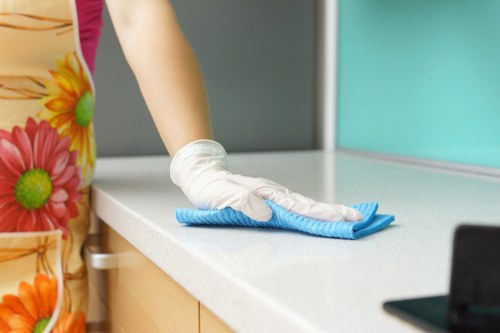
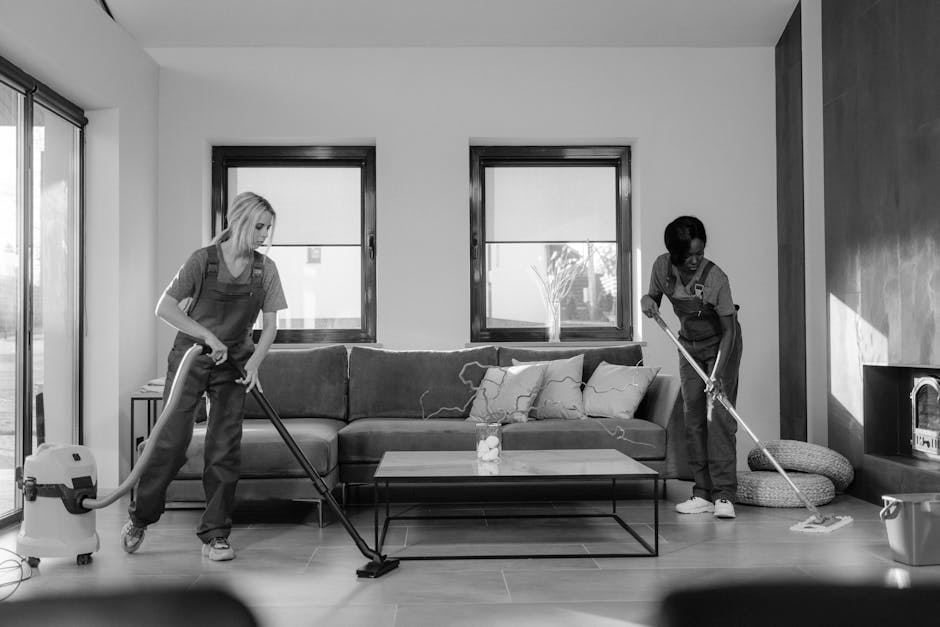
Lambeth Cleaners provides cleaning in Lambeth for homes and workplaces that need a reliable, well-planned service rather than a rushed surface tidy. Our work covers everyday domestic routines, deeper cleans, specialist room-by-room tasks and regular maintenance, so customers can choose the level of support that matches their property and schedule. The aim is straightforward: keep spaces presentable, hygienic and manageable with a service shaped around the work that actually needs doing.
We organise cleaning around the room, the material and the finish, because different surfaces need different methods. A kitchen may need grease removal and careful attention to handles and splash zones, while a living room may benefit from dust control, upholstery care and floor maintenance. In busy homes and premises, a sensible clean is often the one that targets the points people touch and use every day. That is why we offer practical options for general cleaning, deeper attention and specific items such as ovens, carpets, sofas and windows.
Alongside the hands-on work, we make it easy to plan what needs doing by keeping the service clear and direct. If you want support with a one-off visit, a recurring arrangement or a more detailed clean after works or a tenancy change, the important step is to match the task to the condition of the property. Tell us what is needed, what areas matter most and whether there are any delicate finishes or access points to consider. Request pricing and quotes when you are ready to compare options.
Domestic cleaning for everyday routines
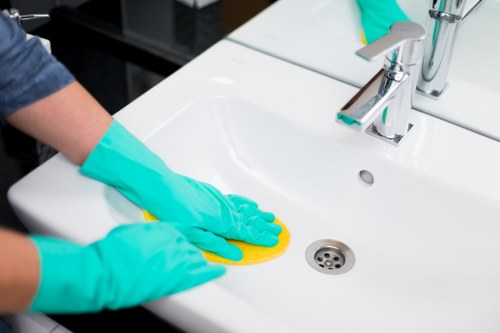
Domestic cleaning works best when it is steady, sensible and adapted to the way a household is used. Our home-focused cleaning can include dusting, wiping surfaces, vacuuming, mopping, kitchen and bathroom attention, and the sort of tidy-up tasks that help rooms stay comfortable between more intensive cleans. It is useful for households that want routine maintenance without having to revisit the same jobs every week.
We can shape domestic visits around the spaces that collect the most use. Hallways gather outdoor dirt quickly, kitchens need frequent contact-point cleaning, and bathrooms often require a more thorough approach to limescale, soap residue and damp-prone areas. A good domestic clean is not only about appearance; it also helps maintain surfaces and keeps the property easier to look after. If you prefer a lighter reset or a more complete visit, the scope can be adjusted accordingly.
For regular support, the most helpful information is usually simple: which rooms need attention, which items should be prioritised and whether any surfaces need careful treatment. A clear plan allows us to work efficiently and avoid unnecessary repetition. For one-off help, it is also useful to identify the areas that are most overdue so the clean can focus where it matters first. Explore domestic cleaning options if you want to understand the service in more detail.
Deep cleaning and one-off cleaning
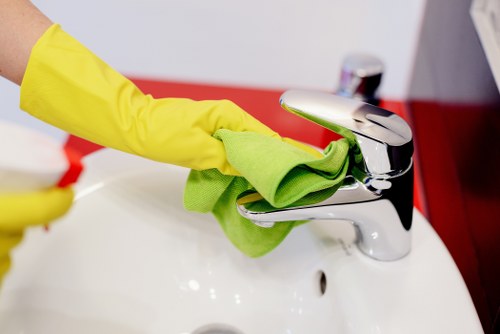
Deep cleaning is designed for properties that need more than routine maintenance. It takes a closer look at built-up grime, neglected corners, high-touch points and awkward areas that are often missed in standard cleaning. This can include the edges of rooms, behind accessible furniture, skirting lines, cupboard fronts, extractor surrounds and other places where routine dusting does not go far enough. The result is usually a more complete refresh rather than a quick visible tidy.
One-off cleaning is useful when a property has fallen behind, when visitors are due, or when a room needs a more careful reset before the normal routine can resume. It may also suit households that only occasionally need support but still want the work to be handled properly. Deep and one-off visits are often similar in method, but the difference lies in the reason for the clean and the level of attention required across the space.
When arranging this type of work, it helps to say which rooms are most important, whether any items need special handling and if there are areas that should be left alone. A sensible deep clean is targeted rather than theatrical; it focuses on the places that genuinely benefit from extra time. For a broader overview of this service, see deep cleaning.
After builders and end of tenancy cleaning
After builders cleaning deals with the fine dust, residue and general disruption that can remain once building or refurbishment work is finished. This type of cleaning often requires careful dust removal from ledges, trim, flooring and fixtures, because building debris can settle in places that are easy to overlook. It is a practical service for making a space usable again after improvement work, whether that is in a home, an office or a rental property.
End of tenancy cleaning is different in purpose, even if some tasks overlap. The priority is a more thorough internal clean that helps a property look properly cared for at handover. Kitchens, bathrooms, storage spaces and floors typically need close attention, and the work is often organised around making sure the key rooms are left in a presentable condition. This service is most useful when the property needs to be ready for inspection or the next occupant.
Two simple points help both services run smoothly: first, note any rooms affected by building dust, paint marks or leftover packaging; second, flag any surfaces that need a cautious approach, such as delicate finishes or fixed fittings. That keeps expectations realistic and the work properly focused. Read about after builders cleaning if you need the dust and residue cleared after works.
Specialist cleaning for carpets, rugs and upholstery
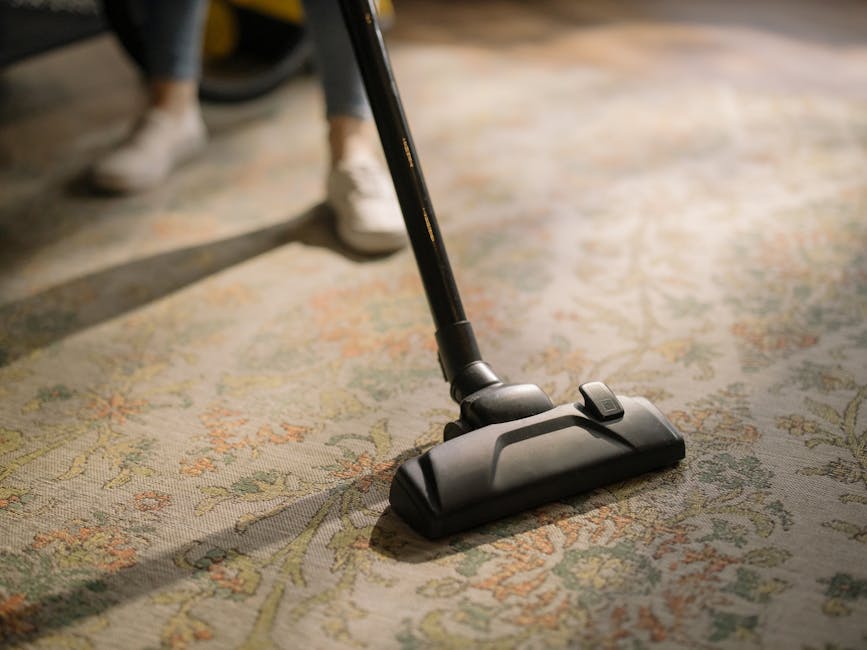
Soft-furnishing care calls for a more specific approach than general cleaning, because fabric, pile and stitching can all react differently to moisture, agitation and product choice. Carpet cleaning is useful for tackling everyday dirt tracked in from shoes, spills, flattened traffic areas and general dullness in fitted flooring. The method chosen depends on the condition of the carpet and the type of fibres involved, so the aim is to improve appearance without treating every surface in the same way.
Rug cleaning and upholstery cleaning extend that same careful thinking to items that are often used heavily but not cleaned as often as hard surfaces. Rugs can trap dust and debris within their pile, while sofas, chairs and other upholstered pieces may gather body oils, crumbs and spot marks over time. The challenge is not simply to make them look cleaner, but to preserve the structure and finish of the material while doing so.
For this kind of work, it is useful to identify the material if you know it, mention any stains or wear and say whether the item is fixed in place or moveable. That helps set the right treatment and avoids guesswork. If you are comparing fabric or floor care options, you can view carpet cleaning or see upholstery cleaning for more detail on the available services.
Kitchen, oven and hard floor cleaning
Kitchen cleaning often needs a detailed but orderly method because it combines hygiene, grease control and surface care in one room. Work may include wiping food-preparation areas, removing residue from cupboard fronts, cleaning sinks, addressing splash marks and tidying the visible surfaces that get used every day. In a kitchen, the purpose is not only to make things look neat, but to bring the room back to a condition that feels ready for regular use.
Oven cleaning is a more concentrated task and one that many households prefer to outsource when the buildup becomes hard to manage. Grease, carbon deposits and baked-on residue can affect both appearance and performance, so the work normally involves detailed attention to the interior and the removable parts where appropriate. Hard floor cleaning is different again, because the method depends on whether the floor is sealed, tiled, stone, vinyl or another finish that needs suitable care.
Useful choices for these rooms often come down to how much detail is needed and which surfaces are most important to the household. A kitchen may need a top-to-bottom reset, or it may only need concentrated work on the oven, floor and food-prep areas. If you want to compare those options before deciding, use the available service pages for oven cleaning and hard floor cleaning.
About Lambeth
Lambeth is a large district on the south bank of the River Thames, opposite Westminster and south of the City of London, with a landscape shaped by transport corridors, civic buildings and long-established residential streets. The area takes its name from medieval Lambeth, historically associated with the Archbishop of Canterbury’s Lambeth Palace, which remains one of its best-known landmarks. The river frontage is a defining feature, bringing together embankment views, bridges, piers and walks that link it visually with central London while still preserving distinct local character. Within the wider borough are places such as Waterloo, Vauxhall, Brixton, Kennington, Streatham and Clapham, each with its own centre of gravity, yet all tied together by the same administrative area and a dense pattern of streets, parks and mixed uses. Lambeth’s urban form reflects centuries of change: older parish boundaries, Victorian expansion, post-war rebuilding and later redevelopment all sit side by side. Brixton’s cultural life, markets and music heritage have helped shape the borough’s wider identity, while the Oval nearby is internationally recognised for cricket and sporting history. Lambeth also contains substantial public green spaces, including Brockwell Park and parts of the South Bank river corridor, giving the district a contrast between built-up neighbourhoods and open landscape. Rail, Underground and bus connections have long made the area a major route into central London, but its appeal is not only about movement; it also lies in the mix of local high streets, schools, faith buildings, community venues and riverside public space that together create a dense and varied inner-city setting.
Window, facade and office cleaning

Commercial properties often need a cleaning approach that balances appearance, access and practical use. Window cleaning helps keep glass clear, improves light levels and removes the grime that collects from weather, traffic and city dust. Facade cleaning is broader and may involve exterior surfaces that need a careful, appropriate method depending on the material, the height and the condition of the finish. These jobs are often best handled as planned maintenance rather than last-minute repairs to appearance.
Office cleaning is usually about keeping workspaces orderly, hygienic and presentable without interrupting business more than necessary. Desks, communal areas, kitchens, toilets, floors and touchpoints all tend to need regular attention, but the exact routine depends on how the office is used. A smaller office may need a light but reliable schedule, while a busier workplace may benefit from a more structured clean that pays close attention to shared spaces and high-contact areas.
If you are arranging commercial cleaning, it helps to think in terms of usage rather than just room count. A reception area, staff kitchen, meeting room and washroom all place different demands on the clean. Set out the rooms you want covered, the frequency you prefer and any surfaces that need specific care. You can read more about office cleaning and, when you are ready, contact us for a quotation.
Clear quotes, practical choices and the right level of service
Cleaning costs can vary according to the size of the property, the condition of the rooms, the type of surfaces involved and whether the work is routine, detailed or specialist. A straightforward regular clean is different from a deep clean, and both are different again from after builders, end of tenancy or soft-furnishing work. That is why it is useful to ask for a quotation that reflects the actual job rather than relying on a generic description of the premises.
To make that quotation accurate, the most helpful information is usually concise and practical. A short summary of the rooms, the items or areas to be cleaned, and any known issues such as heavy grease, stains, dust or access limits can make the scope much clearer. If you are unsure which service best suits the property, it is sensible to describe the outcome you want, then let the service be matched to it. Clarity at the start often leads to a cleaner result at the end.
Whether you need a home clean, a specialist item cleaned or support for a business premises, the service should feel organised and easy to understand. If you would like to compare the available options, take a look at the relevant service pages and then ask for a quotation when you are ready. We are here to help you choose the right cleaning approach in Lambeth.
Domestic rooms and specialist items
Some cleaning jobs sit between a general home clean and a specialist treatment. Bedrooms, living rooms and hallways often need a combination of dust removal, floor care and attention to the surfaces people use every day, while occasional jobs such as sofa, rug or carpet cleaning may be required when one item has started to show wear more clearly than the rest of the room. Thinking in terms of rooms and items together can make the service easier to plan.
We also recognise that different households prefer different levels of intervention. Some want the visible areas refreshed and the main touchpoints handled carefully; others want a fuller clean that includes corners, edges and less obvious spots. Both approaches can be sensible depending on the condition of the property. The best outcome often comes from deciding whether you need routine upkeep, a reset or a specialist treatment for one or two problem areas.
A simple shortlist helps when you are deciding what to include: the main rooms, the most used items, any difficult marks, and whether the property contains fabrics or finishes that need gentle handling. You can start by comparing the relevant service pages, or simply send a straightforward description of the work you want done. See carpet cleaner options if fitted carpets are part of the job.