Mistakes landlords make when hiring Lambeth cleaners
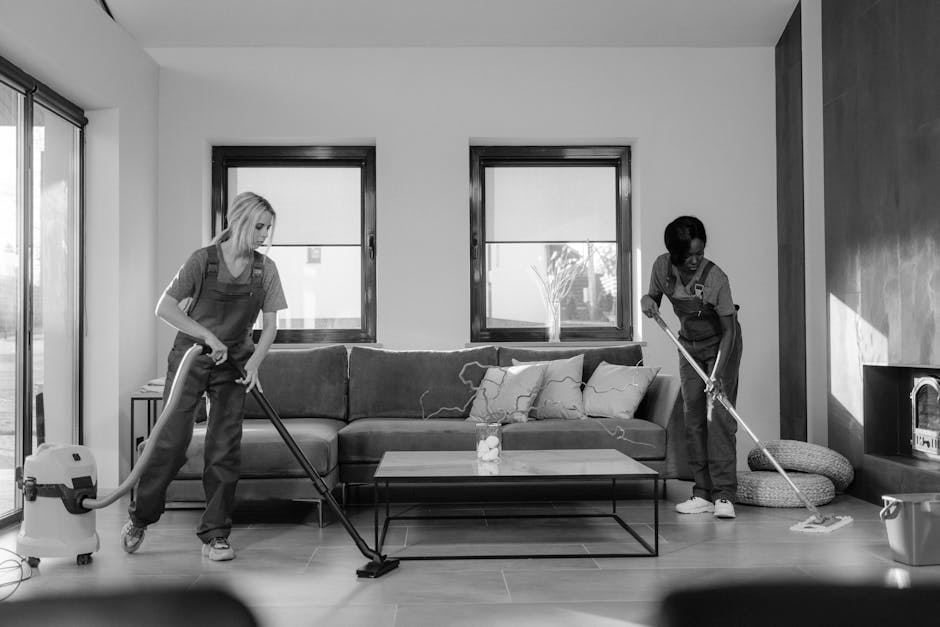
Hiring cleaners for a rental property sounds straightforward until you are the one paying the bill, chasing the deadline, and hoping the place looks spotless before the next tenant moves in. That is where many landlords trip up. The most common mistakes landlords make when hiring Lambeth cleaners are rarely dramatic; they are usually small decisions made in a rush. But those little missteps can lead to poor standards, awkward complaints, extra costs, or a last-minute scramble when the inventory check is already looming.
In a busy London borough like Lambeth, timing matters, communication matters, and so does choosing the right cleaning service for the job in front of you. This article breaks down the errors landlords tend to make, why they matter, and how to avoid them without overcomplicating the process. You will also find a practical checklist, a comparison table, and a few real-world observations that should make the whole thing feel much less messy. Because, frankly, it often is messy.
Why these mistakes matter
Landlord cleaning is not just about presentation. It affects how quickly a property can be re-let, how smoothly a tenancy changeover goes, and whether the condition of the home is good enough for an inventory, checkout, or incoming tenant inspection. If you hire the wrong team, or brief them badly, you can end up cleaning twice. That is the part people forget. Twice. Sometimes three times if the oven has been neglected since the last student tenancy and nobody noticed until the keys were due back.
For landlords in Lambeth, the pressure often comes from short turnaround windows. A tenancy ends on Friday, contractors need access on Saturday, and new tenants are hoping to move in by Monday morning. In that kind of schedule, there is very little room for vague expectations. A missed skirting board here, a stubborn stain there, and suddenly the property feels tired even if the structure is sound.
There is also a trust issue. Many landlords want a reliable cleaning company, but they are not always looking at the things that make reliability real: clear scope, insurance, health and safety awareness, complaints handling, and fair pricing. If those pieces are ignored, the result can be a frustratingly expensive lesson. Better to slow down for five minutes now than lose a week later.
Expert summary: The biggest risk is not paying a little more for a proper clean. It is paying less upfront and then paying again, through delays, disputes, or tenant dissatisfaction.
How hiring cleaners for a rental actually works
In practical terms, hiring cleaners for a rented property should follow a simple chain: assess the property, define the clean, confirm the quote, set the access arrangements, and check the result. That sounds obvious, but landlords often skip a step because the property is empty, or because they assume "standard clean" means the same thing to everyone. It doesn't.
A standard clean in one context can mean light domestic work. In another, it can mean a full end of tenancy cleaning service with kitchens, bathrooms, fixtures, and high-touch areas treated in detail. Then there are properties that need more than a general clean: maybe a tough carpet refresh, maybe deep cleaning, maybe a specific add-on like oven cleaning or window cleaning. The right answer depends on the condition of the space, not on habit.
Most professional services will want some detail before quoting. Number of bedrooms, bathrooms, current condition, whether furniture is left behind, and whether specialist tasks are needed. That is where a landlord should be specific. A vague "please give it a good clean" is where misunderstandings begin. To be fair, no one wins when the cleaner arrives expecting a light refresh and finds a flat with paint dust, greasy cupboards, and a fridge that smells like a science experiment.
If the property has carpeted areas, upholstery, or hard flooring, the scope may need to be broadened. In some cases, a landlord may want to combine services such as carpet cleaning, upholstery cleaning, or hard floor cleaning. That is not overkill if the aim is a fresh, presentable rental that photographs well and feels decent the moment someone walks in.
Key benefits of getting it right
When landlords hire Lambeth cleaners well, the benefits show up in very practical ways. The property turns over faster. Viewings look better. Tenants move into a home that feels cared for. And, perhaps most importantly, there is less awkward back-and-forth after checkout about what was or was not cleaned.
- Better presentation: Clean homes photograph better and feel more inviting during viewings.
- Smoother handovers: A proper clean reduces friction between outgoing and incoming tenants.
- Less repeat work: Clear scope and good execution lower the chance of re-cleans.
- More predictable costs: You are less likely to face surprise charges or rushed extras.
- Reduced complaints: A documented, professional clean helps avoid disputes over condition.
There is another benefit people sometimes miss: goodwill. A property that has been cleaned properly sends a quiet message that the landlord is organised and attentive. That matters. Tenants notice details, even if they do not mention them. A clean extractor hood, a dust-free sill, a bathroom that smells fresh instead of stale-small things, but they add up.
And if you manage multiple lets, the benefit compounds. A repeatable cleaning process saves mental energy. No more last-minute phone calls asking whether the cleaners "also do the windows" or whether "that burnt tray in the oven" can be dealt with. You get a calmer workflow, which is worth more than people admit.
Who this is for and when it makes sense
This topic is most useful for private landlords, accidental landlords, letting agents supporting smaller portfolios, and property managers who need dependable turnover cleans in Lambeth. It also helps landlords who self-manage and want to avoid the classic trap of assuming that any cleaner will do the same job to the same standard. They won't, or at least not automatically.
It makes sense to think carefully about cleaning when:
- a tenancy has just ended and you need the property ready for viewings;
- the outgoing tenant left behind more dirt than expected;
- you are refreshing a long-term rental before a new let;
- you need specialist help for carpets, ovens, sofas, or windows;
- the property has had minor building work, decoration, or repair work and needs a reset;
- you want a one-off clean rather than an ongoing domestic arrangement.
For some landlords, a regular arrangement with trusted cleaners makes sense. For others, especially those with occasional vacancies, a one-off cleaning approach is enough. The right choice depends on your portfolio, your deadlines, and how much hands-on time you want to spend chasing details. Not everybody wants to become part-time project manager for a two-bed flat. Fair enough.
Step-by-step guidance for landlords
- Inspect the property properly. Walk through every room and note visible issues: grease, limescale, stains, rubbish, dust build-up, odours, and any damage. A quick glance from the doorway is not enough.
- Decide the real scope. Be clear whether you need a basic tidy, a full end-of-tenancy clean, specialist carpet work, or something more specific like oven or upholstery cleaning.
- Request a detailed quote. Use the property size, current condition, and required extras to get a realistic estimate. The page on pricing and quotes is a useful reminder that transparent pricing starts with clear information.
- Check practicalities. Confirm access, parking considerations, key collection, and timing. In a busy part of London, logistics can matter as much as the cleaning itself.
- Ask about standards and guarantees. A professional cleaner should be able to explain what is included, what is excluded, and how issues are handled if something is missed.
- Arrange specialist tasks early. If you need carpets, ovens, windows, or hard floors addressed, mention them before the appointment rather than hoping they will be squeezed in at the end.
- Review the result against the brief. Do a room-by-room check while the clean is still fresh in your mind. It is much easier to resolve anything immediately than a day later.
This process may sound a bit formal for a simple clean, but that formality is exactly what protects you. It keeps expectations realistic, and realistic expectations are where good rental management begins. No drama, no guesswork.
Expert tips for better results
One of the best things a landlord can do is write a short checklist before asking for a quote. It does not need to be fancy. A plain list of rooms and problem areas is usually enough. You will notice that once the scope is written down, the conversation becomes sharper too. Instead of saying "the place needs cleaning," you can say "the kitchen needs degreasing, the bathroom needs scale removal, and the carpets need attention in the living room." That is the difference between a vague job and a useful one.
Another useful habit is to separate general cleaning from specialist cleaning. A good domestic clean may not automatically include heavy carpet stains, baked-on oven residue, or stubborn marks on upholstery. If your property needs those details addressed, mention them. If it has recently been refurbished, an after builders cleaning approach may be far more appropriate than a standard wipe-down.
It also helps to think about materials. Delicate floors, older fittings, and certain fabrics can need more careful handling. That is why a professional cleaning company should ask questions rather than simply nodding through the booking. If nobody asks about floor type, stain type, or access restrictions, that is a small red flag. Not a panic button, just a flag.
Finally, ask how issues are reported. A proper complaints route is a sign of maturity, not weakness. If a company has a clear complaints procedure, it means they expect to resolve problems rather than hide from them. That's reassuring. It really is.
Common mistakes to avoid
This is the heart of the matter. Most landlord mistakes are preventable, and many come from trying to save time rather than money. The problem is that time-saving shortcuts often create extra work later.
1. Choosing only on price
The cheapest quote can be tempting, especially when a property is between lets and costs are piling up. But a low price without detail can hide a shallow clean, missing tasks, or awkward add-ons later. Compare what is actually included, not just the headline number.
2. Being too vague about expectations
"Clean the property" is not enough. If you need cupboards wiped inside, skirting boards dusted, or limescale removed, say so. Otherwise the cleaner may reasonably interpret the job differently from you. That is where frustration starts.
3. Forgetting specialist areas
Landlords often remember the bathroom and kitchen, then forget ovens, carpets, windows, and soft furnishings. Yet these are the things tenants notice first. A shiny sink does not cancel out a grubby oven door.
4. Booking too late
Leaving booking until the last minute can force you into a poor choice. If the property is empty on Friday and you need a clean on Saturday morning, your options may be limited. Plan ahead where possible. It sounds obvious, but, well, people are busy.
5. Ignoring access and logistics
No cleaner can start if the key is elsewhere, the parking situation is impossible, or the property is not ready. Confirm access details early and keep them simple.
6. Not checking insurance and safety practices
Landlords should care about whether the team is properly insured and follows sensible safety procedures. If a chemical spill, breakage, or accident happens, you want to know there is a proper framework in place. The page on insurance and safety is the kind of thing worth reviewing before you commit.
7. Assuming one service covers everything
A broad clean does not always include every specialist task. Carpet cleaning, oven cleaning, upholstery care, and hard floor treatment may need to be arranged separately. Ask rather than assume.
Tools, resources and recommendations
You do not need a big system to manage cleaning well, just a few practical tools and habits. A simple condition checklist on your phone works fine. So does a room-by-room note with the main issues listed in order of importance. Some landlords prefer to take timestamped photos before and after the clean. That is not about being suspicious; it is about having a clear record. Very useful when memory gets fuzzy later.
Here are a few things worth having to hand:
- A property brief: number of rooms, current condition, access details, and expected completion time.
- A cleaning checklist: room-by-room tasks, plus any specialist areas like ovens or carpets.
- A quote comparison note: compare scope, not just price.
- A handover checklist: use it after the clean to confirm the work matches the brief.
- A copy of relevant terms: if a provider has clear terms and conditions, read them before the job starts.
Where sustainability matters, it can also be helpful to ask how waste or cleaning materials are managed. If that is important to you or your building, a company's recycling and sustainability approach may be relevant. Not for every job, but worth knowing about.
For landlords who want reassurance on business identity and values, pages like about us and privacy policy can also help you judge professionalism. It is a small thing, but small things matter when you are trusting someone with a property.
Law, compliance, standards and best practice
This section is not legal advice, and landlords should always consider their own obligations carefully. That said, there are some sensible UK best-practice points to keep in mind. If a rental property is being cleaned between tenancies, you still want the arrangement to be clear, documented, and proportionate to the condition of the property. Good records are helpful if there is a later dispute about cleanliness or damage.
Best practice usually includes the following:
- Clear scope of work: both sides should know what has been agreed.
- Reasonable access arrangements: keys, alarms, and parking should be handled safely.
- Insurance awareness: ask about cover for accidental damage or incidents.
- Safety awareness: cleaning chemicals, electrical items, and slippery floors should be handled responsibly.
- Transparent payment terms: avoid confusion around deposits, invoices, and completion criteria.
If you are comparing providers, it can help to look at how they talk about health and safety, payment security, and disputes. Those are not glamorous topics, I know. But they tell you a lot about how seriously a company operates. A service provider that explains its health and safety policy and payment and security clearly is usually thinking a few steps ahead, which is exactly what landlords need.
In rental work, the goal is not just a clean property. It is a clean property plus a sensible process. That combination reduces risk. And lower risk, in property management, is a very good thing indeed.
Options and comparison table
Landlords often choose between a basic clean, a deeper reset, or a specialist service blend. The right option depends on how the property has been used and what needs to happen next. Here is a simple comparison to help with decision-making.
| Option | Best for | Main strengths | Potential limitation |
|---|---|---|---|
| Basic rental clean | Light refresh between sensible tenancies | Quick, cost-conscious, suitable for low-traffic properties | May miss tougher grime or specialist areas |
| End of tenancy clean | Checkout readiness and move-in preparation | More thorough, better for handovers and inspections | Usually needs clearer brief and more time |
| Deep clean | Heavily used or neglected properties | Targets embedded dirt, kitchen build-up, and neglected details | Can cost more than a basic service |
| Specialist add-ons | Carpets, ovens, upholstery, windows, hard floors | Improves results in problem areas | May need separate scheduling or pricing |
If you are unsure which route to take, ask yourself one simple question: what would a sensible incoming tenant notice in the first sixty seconds? If the answer is "the carpets," "the oven," or "the bathroom smell," then specialist cleaning probably belongs in the plan.
Case study or real-world example
Here is a typical situation, the kind landlords will recognise immediately. A landlord in Lambeth has a two-bedroom flat coming free on Thursday evening, with new tenants due in early the following week. The previous tenant left the place tidy-ish, but the oven is greasy, the bathroom has limescale, and the living room carpet has a couple of dark marks near the sofa.
At first, the landlord asks for "a normal clean." That sounds harmless, but it is too vague. The cleaner quotes for a standard visit, arrives expecting a straightforward job, and discovers more work than expected. Time is tight, communication gets awkward, and the landlord ends up paying for extra tasks on the spot. Everyone is a bit frazzled. Not a disaster, but not ideal either.
Now compare that with a better approach. The landlord walks through the flat, takes a few notes, and asks for a full end-of-tenancy clean with oven, carpets, and bathroom scale removal included. The quote is more accurate, the timing is clearer, and the final result is more likely to match expectations. The whole process feels calmer. Less "firefighting," more handover.
That is the real lesson here. The mistake was not choosing a cleaner. The mistake was choosing without enough detail. Small difference, big outcome.
Practical checklist
Use this checklist before you book a cleaner for your rental property:
- Walk through every room and note visible issues.
- Decide whether you need a general clean, deep clean, or end-of-tenancy clean.
- List any specialist tasks such as ovens, carpets, upholstery, windows, or hard floors.
- Confirm access, key collection, and parking.
- Ask for a detailed quote, not a vague estimate.
- Check whether insurance, safety, and payment terms are explained clearly.
- Read the company's terms and conditions before confirming.
- Keep photos or notes of the property's condition before the clean.
- Review the completed work room by room.
- Report any issues quickly while the job is still recent.
If you want a broader service option for a full property refresh, it may also help to look at related services like house cleaning, domestic cleaning, or home cleaners depending on the property type and the level of care required.
Conclusion
Most mistakes landlords make when hiring Lambeth cleaners come down to speed, vagueness, or assuming the same words mean the same thing to everyone. They do not. A clear brief, the right scope, sensible checks, and a little planning can save a lot of hassle. That is especially true in a fast-moving rental market, where a delayed clean can ripple into missed viewings, awkward handovers, and extra stress for everyone involved.
The good news? These mistakes are easy to avoid once you know where they hide. Be specific, be realistic, and treat cleaning as part of the wider property management process rather than an afterthought. That shift alone makes a real difference. If you are careful at the start, the finish line tends to look a lot cleaner too.
Get a free quote today and see how much you can save.
And if nothing else, remember this: a well-prepared clean is one of those quiet wins that makes the whole tenancy feel easier. Which, on some weeks, is exactly what you need.
Frequently Asked Questions
What is the biggest mistake landlords make when hiring cleaners in Lambeth?
The biggest mistake is usually being too vague about the scope of work. If you do not specify whether you need a general clean, end-of-tenancy clean, or specialist tasks like ovens and carpets, the result can fall short of what you expected.
Should landlords always book end of tenancy cleaning?
Not always, but it is often the safest option when a tenant has moved out and the property needs to be ready for inspection or immediate re-let. The right choice depends on the condition of the property and the turnover timing.
How do I know if a Lambeth cleaner is suitable for a rental property?
Look for clear communication, a detailed quote, sensible safety practices, and transparent terms. A suitable provider should ask questions about access, the property's condition, and any specialist cleaning needs.
Do landlords need carpet cleaning as well as general cleaning?
Often, yes. If carpets show stains, odours, or heavy foot traffic marks, a standard clean may not be enough. Specialist carpet work can make a noticeable difference to presentation and tenant impression.
Is the cheapest cleaning quote usually the worst choice?
Not automatically, but very low quotes can hide limited scope or extra charges later. It is better to compare what is included than to focus only on price.
What should be included in a landlord cleaning checklist?
A good checklist usually covers kitchens, bathrooms, floors, surfaces, skirting boards, bins, internal glass, appliances, and any specialist items such as ovens, carpets, windows, or upholstery.
How far in advance should landlords book cleaners?
As early as possible, especially around tenancy changeovers. Short turnaround windows in London can make it harder to secure your preferred time slot if you leave it too late.
Can one cleaning visit cover the whole property?
Sometimes, yes. But larger or heavily used properties may need a mix of services. For example, a property might need general cleaning plus oven cleaning, carpet cleaning, or hard floor treatment.
Why does access matter so much?
Because even the best cleaner cannot start without practical access. Key collection, parking, alarms, and timing all affect whether the job runs smoothly.
What should landlords check after the clean is done?
Check the property room by room against the original brief. Focus on kitchens, bathrooms, floors, windows, and any specialist tasks you asked for. If something looks missed, raise it quickly.
Are complaints procedures worth checking before booking?
Yes. A clear complaints procedure shows the company is prepared to deal with issues properly. That is usually a sign of professionalism and accountability.
Does a deep clean cost more than a standard clean?
Usually, yes, because it involves more time and more detail. But for neglected or heavily used rentals, it can be the better value because it reduces the need for repeat work later.
What if the property has just had decorating or repairs?
Then an after builders clean may be more suitable than a standard domestic clean. Dust, residue, and paint particles often need a more thorough approach.
Is it worth using the same cleaners for every turnover?
Often it is, if they are reliable and understand your property standards. Repeat use can make communication easier and reduce surprises because the team already knows your expectations.