Staircase access issues how Lambeth cleaners cope
Staircases can turn a straightforward clean into a bit of a puzzle. Narrow turns, awkward landings, heavy kit, tired knees, fragile banisters, and those classic London basement-to-top-floor homes all change the job. If you are wondering about Staircase access issues how Lambeth cleaners cope, the short answer is: by planning properly, carrying lighter, using the right tools, and adjusting the clean to suit the building rather than forcing a one-size-fits-all approach.
That sounds simple enough, but in real life it takes judgement. A good cleaning team has to think about access, safety, timing, residents, surfaces, and what can realistically be brought up and down the stairs without risk. This article walks through how experienced Lambeth cleaners handle the problem, what customers should expect, and how to avoid the little access mistakes that can waste time or create damage. To be fair, a staircase rarely gives you a second chance if you bump a wall with the wrong trolley.
If you are booking regular domestic work, a one-off refresh, or a more involved clean after building work, these access decisions matter more than people think. They affect speed, cost, and results. They also affect trust, which is why it helps to understand the method behind the mop bucket.
Why Staircase access issues how Lambeth cleaners cope Matters
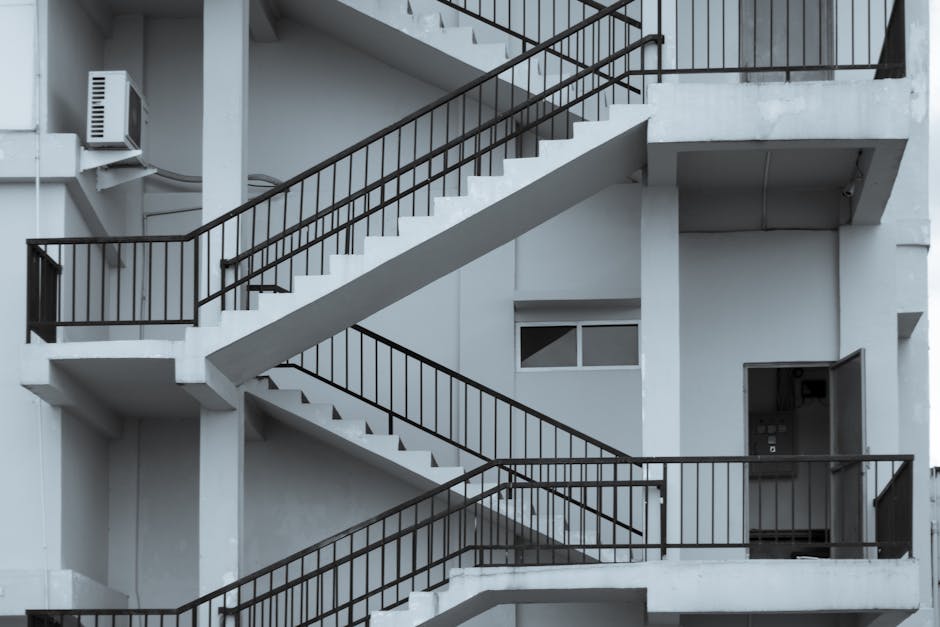
Staircase access is one of those things that seems minor until it becomes the whole job. In older terraces, converted flats, mansion blocks, and split-level homes around Lambeth, stairs can be steep, narrow, and full of odd angles. One sharp turn can make an otherwise simple vacuum impossible to carry in one piece. Even a small cleaning trolley can become awkward if the stairwell is cramped or the handrail leaves no room to pass.
This matters for three reasons. First, safety: cleaners need to avoid slips, strains, knocks, and overreaching. Second, surface protection: walls, painted edges, carpets, and timber banisters can scuff fast in tight spaces. Third, time and quality: if access is badly planned, the cleaner spends more energy getting equipment in and out than actually cleaning. That is not just annoying. It changes the standard of the result.
For customers, good access planning also reduces friction. You get fewer delays, fewer misunderstandings, and less chance of hearing that awkward phrase, "We can do it, but it'll take longer than expected." Nobody loves that call, especially on a busy morning when the kettle's already on and the hallway is full of bags.
In a place like Lambeth, where properties vary so much from block to block, access planning is not optional. It is part of the service itself.
How Staircase access issues how Lambeth cleaners cope Works
When cleaners face a tricky staircase, they usually start by assessing the route before the actual cleaning begins. This can happen during the booking conversation, on arrival, or both. The aim is to work out what can safely be carried upstairs, what needs splitting into smaller loads, and whether any equipment should stay downstairs.
In practice, the process often looks like this:
- Check the access route - stairs, landings, entrances, lift access if there is one, and any pinch points.
- Match the kit to the building - compact vacuums, handhelds, spray bottles, microfibre cloths, and lighter buckets may be better than bulky gear.
- Protect the property - use careful carrying techniques, avoid dragging equipment, and watch for corners, edges, and polished surfaces.
- Split the work into stages - some teams clean top-down, while others stage supplies floor by floor to limit trips.
- Adapt the cleaning method - for example, less water on stair carpets, more controlled cloth work on bannisters, or dry methods where appropriate.
- Re-check as they go - because in old buildings, what looked manageable at the front door may not be the full story by the second landing.
The practical trick is restraint. Good cleaners do not force standard routines into impossible spaces. They simplify, reduce unnecessary movement, and keep the job tidy. That usually means fewer big machines, smaller refills, and a lot more attention to detail.
For larger or more demanding jobs, it can help to book with a cleaning company that understands access planning rather than assuming every property behaves the same. If you want to know more about the wider service approach, their about us information can also give a sense of how the business works with customers.
Key Benefits and Practical Advantages
There is a proper upside to getting stair access right. It is not just about avoiding mishaps. Done well, it improves the whole service from start to finish.
- Less damage risk - careful access reduces marks on walls, dents on banisters, and snagging on carpets.
- Faster workflow - when the route is planned, cleaners spend less time juggling equipment and more time cleaning.
- Better hygiene control - fewer unnecessary trips mean less cross-contamination from one area to another.
- Improved comfort for residents - a quiet, organised process is less disruptive in shared houses or occupied flats.
- Better results in awkward spaces - hand-cleaning, detailing, and targeted tools often work better on stairs than heavy all-in-one methods.
There is also a less obvious benefit: clearer expectations. When both sides understand the access issue upfront, there is less guesswork. That matters whether the job is a straightforward domestic cleaning visit, a deeper refresh, or a more intensive deep cleaning appointment.
If the property has a lot of stairs, access planning may also help with other tasks like house cleaning and home cleaners appointments where the cleaner needs to move efficiently between rooms without repeatedly carrying bulky kit up and down.
Who This Is For and When It Makes Sense
This topic is relevant to a wider group than you might expect. Obviously it matters to people living in upstairs flats or homes with narrow staircases. But it also matters to landlords, letting agents, office managers, and anyone arranging a clean in a property with awkward circulation spaces.
You are likely dealing with staircase access issues if any of these sound familiar:
- the stairwell is too narrow for standard-sized equipment
- there are sharp turns or half-landings that make carrying awkward
- the property has steep internal stairs, basement levels, or attic rooms
- the building is shared, so cleaners must avoid disturbing neighbours
- you need a one-off clean after building work or before moving out
- there are delicate surfaces, antiques, or freshly painted areas near the stairs
It also makes sense if you are organising end of tenancy cleaning, because access delays can throw off a handover schedule very quickly. And if the property has recently had work done, after builders cleaning often involves dust and debris in stairwells, which is exactly where a careful, step-by-step approach becomes essential.
Truth be told, the more complicated the staircase, the more valuable a well-prepared cleaner becomes. It is not glamorous. But it works.
Step-by-Step Guidance
If you are preparing for a clean and want to make access easy, this is the simple version of how to do it properly.
1. Describe the staircase clearly when booking
Say whether it is narrow, steep, winding, carpeted, or shared. Mention if there is a lift, if the entrance is awkward, or if there are parking restrictions close to the property. A good team can only prepare for what they know.
2. Flag fragile or tight areas in advance
If there are painted walls, glass panels, low ceilings, or polished wood handrails, mention those too. It helps the cleaners decide whether to use protective pads, smaller kit, or a slower carrying method.
3. Make the route as clear as possible
Move bags, shoes, prams, and other clutter off the steps. Even a small obstruction can turn a quick handover into a shuffle. And yes, the cleaner will notice that one random box everyone has been stepping round for three weeks.
4. Decide where equipment can be staged
Sometimes it is easier to keep the main kit on the ground floor and carry only what is needed for each stage. In other cases, a landing can act as a staging point. This is especially useful in larger homes or multi-storey flats.
5. Let the cleaner work top to bottom where appropriate
Dust and debris naturally fall. That means a top-down method usually makes sense for stairwells, landings, and nearby rooms. It avoids re-cleaning surfaces and keeps the result more consistent.
6. Review the job before they leave
Once the clean is finished, check the stair edges, skirting, bannisters, and any high-touch areas around the access route. If anything needs a final touch-up, it is much easier to do it then rather than later.
This is the kind of planning that experienced cleaners and a reliable cleaner use naturally. It sounds obvious written down. In the real world, it saves a lot of hassle.
Expert Tips for Better Results
Here are the small decisions that make a noticeable difference. The sort of things people do not always think about until they have watched a cleaner navigate a tight Victorian staircase with a vacuum tucked under one arm and a cloth in the other. Slightly impressive, actually.
- Use lighter equipment where possible - smaller vacuum units, spray bottles, and microfibre cloths are often more practical than heavy systems in narrow staircases.
- Protect corners early - if the route is tight, edge protection or careful carrying can prevent chips and scuffs before they happen.
- Avoid over-wetting stair carpet - stairs dry slowly in poor airflow, and too much moisture can leave patchy marks or a musty smell.
- Keep detergents controlled - a little goes a long way on bannisters, handrails, and painted surfaces.
- Plan for neighbours - in shared buildings, quiet movement and minimal repeated door opening make the whole visit smoother.
- Clean the access route as part of the job - stair edges, handrails, and landings often gather more dust than people think.
For fabric-covered stairs, the right approach may differ from timber or stone. A team offering carpet cleaning or carpets cleaner services will usually adapt methods based on pile type, access width, and drying conditions. That matters more than the fancy kit names, if we are honest.
If upholstery or other nearby soft furnishings are affected by dust from the staircase, services such as upholstery cleaning and sofa cleaning may be worth discussing too, especially in smaller flats where dirt travels everywhere.
Common Mistakes to Avoid
A lot of access problems come from simple oversights. Nothing dramatic. Just small things that snowball.
- Assuming all staircases are the same - a straight staircase is very different from a narrow spiral or half-turn layout.
- Booking without mentioning access limitations - if the team turns up surprised, it slows everything down.
- Using bulky equipment by default - convenience for the cleaner matters, but so does whether the machine can physically fit upstairs.
- Leaving clutter on the steps - it creates trip hazards and slows access.
- Ignoring drying time - a damp stairwell is awkward for everyone, especially in a busy household.
- Forgetting about residents or neighbours - shared access needs a lighter touch.
One subtle mistake is not checking what else is in the route. A clean stairwell might lead into a hallway packed with furniture, or into a room where the cleaner can barely turn around. The staircase is only the start of the access story. Small detail, big effect.
Tools, Resources and Recommendations
You do not need a truckload of specialist gear to handle staircase access issues well. Usually the best tools are the simplest ones, chosen carefully.
| Tool or approach | Why it helps | Best use case |
|---|---|---|
| Compact vacuum cleaner | Easier to carry and turn on landings | Narrow staircases, flats, shared hallways |
| Microfibre cloths | Lightweight and effective for detail work | Handrails, bannisters, skirting, rail edges |
| Spray bottles | Controlled product use without heavy buckets | Painted surfaces and quick wipe-downs |
| Small mop or flat mop system | Less bulky than large wet-cleaning equipment | Landing floors and hard stairs |
| Protective pads or careful carry method | Reduces marking and impact on tight corners | Old buildings and freshly decorated properties |
If you are comparing providers, it is sensible to look at the wider service offer too. A team that handles one-off cleaning, house cleaning, and office cleaning usually has a stronger practical feel for access logistics because different buildings force different habits.
For customers who want transparency before booking, it helps to check pricing and quotes early. Access issues can affect the time needed, so a clear description from the outset is better than trying to patch things up later. And if payment matters to you, the site's payment and security information is worth a glance. Not thrilling, I know, but useful.
Law, Compliance, Standards and Best Practice
When staircase access is difficult, the key compliance concern is usually safe working practice. In the UK, cleaning teams are expected to work in a way that reduces risk to staff, customers, and anyone else using the property. That does not mean every staircase needs a formal assessment on paper, but it does mean the risks should be considered properly.
In plain English, good practice usually includes:
- keeping walkways free from obvious hazards where possible
- using equipment safely and carrying it in a controlled way
- avoiding manual handling that is clearly too heavy or awkward
- protecting surfaces from accidental damage
- working in a way that does not create slip risks
For visitors and workers in shared buildings, courtesy matters too. A cleaner who blocks a landing for ages or leaves wet surfaces without warning is not just being inconvenient; they are making the space harder to use. A careful team will usually explain what they are doing, keep noise and obstruction low, and tidy as they move.
It is also normal for a reputable cleaning company to have its own health and safety expectations, insurance, and complaints process. If you want to understand those basics, the pages on health and safety policy, insurance and safety, and complaints procedure can give a fuller picture of how issues are handled.
There is also a sensible privacy angle. Access details, entry notes, and property instructions should be handled properly. If that matters to you, the privacy policy explains the general approach. Simple stuff, but worth knowing.
Options, Methods and Comparison Table
Not every staircase problem needs the same solution. Sometimes a light-touch method is enough. Other times, the job needs more prep, more care, or a different service combination.
| Method | Best for | Advantages | Trade-offs |
|---|---|---|---|
| Standard cleaning with compact kit | Most domestic staircases | Fast, flexible, economical | May not suit very tight or heavily soiled stairs |
| Top-down staged cleaning | Multi-level homes and shared buildings | Reduces repeat work and falling dust | Needs clearer planning |
| Detail-led hand cleaning | Banisters, edges, decorative stairwells | Best protection for delicate surfaces | Takes longer |
| Combined service approach | Move-out cleans, post-builders jobs, full-house refreshes | Better overall finish across rooms and stairs | More time and coordination needed |
In some cases, the staircase is only one part of the wider cleaning plan. For example, a customer may need window cleaning on upper levels, carpet cleaning on landings, and hard floor cleaning in the entrance area. When that happens, combining jobs often saves time because the cleaner is already working through the same access route.
Case Study or Real-World Example
Imagine a typical Lambeth flat in a converted Victorian house. The hallway is narrow, the staircase turns sharply at the first landing, and there is a carpet runner that looks lovely but shows every footprint. The customer wants a thorough clean before guests arrive on Saturday afternoon. It is one of those jobs that feels fine until you stand at the bottom of the stairs and realise the vacuum needs a bit of a manoeuvre.
In that kind of situation, the cleaner will usually start by carrying up only the most essential items: cloths, a compact vacuum, a spray bottle, and a small caddy. They may leave the bulkier kit on the ground floor, then work their way up carefully. Bannisters are wiped by hand. Stair edges are vacuumed with a narrower attachment. The landing is finished last, after dust from the upper floor has had a chance to settle.
The difference is noticeable. The staircase ends up clean, but so do the edges, the corners, and the areas people touch without thinking. The customer does not see a frantic back-and-forth with heavy gear. They see a calm process, which is half the battle. And yes, that quiet competence tends to feel reassuring.
That is also why some customers prefer to book a more complete service such as deep cleaning when access is awkward. It gives the team more room to deal with the awkward corners properly rather than rushing around them.
Practical Checklist
Use this checklist before the clean, especially if your property has tricky stairs.
- Tell the cleaner about narrow or steep staircases in advance
- Share any details about turns, low ceilings, or fragile surfaces
- Clear shoes, boxes, and clutter from the route
- Confirm whether there is a lift or only stair access
- Ask if the cleaner needs parking or entry instructions
- Check whether any rooms should be cleaned in a particular order
- Make sure pets are safely out of the way
- Ask about drying times for carpets or hard floors
- Review the result before the cleaner leaves if possible
- Keep the booking details handy in case access changes on the day
If you are arranging a larger home visit or more involved clean, it can also help to read the company's terms and conditions so expectations are clear on both sides. Small bit of admin now, fewer headaches later.
Get a free quote today and see how much you can save.
Conclusion
Staircase access issues are not unusual in Lambeth, and they do not have to be a problem if they are handled with care. The best cleaners cope by planning ahead, choosing lighter tools, protecting surfaces, and keeping the route as simple as possible. That is the real answer to staircase access issues how Lambeth cleaners cope: not magic, just good habits, steady judgement, and a bit of local common sense.
If you are booking a clean, the best thing you can do is describe the access clearly and early. That one step saves time, reduces risk, and makes the whole service feel smoother. And when the stairs are awkward, smoother really matters.
For readers who care about sustainability as well as practicality, you may also like to review recycling and sustainability. It is a small detail, but the little details are often where good service shows through.
At the end of the day, a tidy staircase is more than a route between floors. It is the first sign that the job is being handled properly.
Frequently Asked Questions
How do cleaners deal with very narrow staircases?
They usually switch to lighter equipment, carry fewer items at once, and work in smaller stages. If the staircase is especially tight, they may keep some kit on the ground floor and only bring what is needed upstairs.
Should I mention staircase access when I book cleaning?
Yes, definitely. Mentioning it early helps the cleaner prepare the right equipment and estimate the time more accurately. It also reduces the chance of surprises on arrival, which nobody really wants.
Can staircase access issues change the price?
They can, depending on how much extra time, effort, or specialist handling is involved. The fairest approach is to describe the property clearly and ask for a quote based on the actual access conditions.
Do cleaners clean stairs themselves or only the rooms around them?
That depends on the service booked. In many cases, staircases, bannisters, and landings are included as part of house or domestic cleaning, but it is always worth confirming what is covered.
What kind of cleaning works best on carpeted stairs?
Controlled vacuuming, careful spot treatment, and low-moisture methods are usually the safest starting points. Carpeted stairs can hold dirt along the edges, so detail work matters a lot.
What if my staircase has awkward corners or half-landings?
That is common in older homes and converted buildings. A cleaner may break the job into sections and use smaller tools to avoid bumping the walls or dragging equipment through the turns.
Is staircase cleaning different in shared houses or flats?
Yes. Shared buildings need more consideration for neighbours, noise, and access timing. Cleaners often work more quietly and keep passages clear so others can still use the space.
How should I prepare before the cleaner arrives?
Clear the stairs, remove loose items, unlock any gates or entry points, and tell the cleaner about any fragile surfaces. If you can make the route simple, the job goes much more smoothly.
Do staircase access issues affect end of tenancy cleaning?
They often do. End of tenancy cleans are time-sensitive, so awkward stairs can affect the schedule. Good planning helps ensure the staircase, landings, and nearby areas are completed properly without delay.
What if the staircase is too difficult for standard equipment?
A good cleaner will adapt by using compact tools, hand cleaning, or a different workflow. If the access is seriously limited, it is better to discuss it before the appointment than to discover it halfway through.
Are there safety concerns with cleaning stairwells?
Yes. The main concerns are slips, trips, carrying heavy loads, and surface damage. Careful movement, light equipment, and sensible sequencing reduce those risks a lot.
Can I book other services alongside a stair-heavy clean?
Often yes. Many people combine stair cleaning with services like oven cleaning, rug cleaning, or office cleaners if they want the whole property handled in one visit. It depends on the property and the schedule, but combining tasks can be efficient.
Where can I check company policies before booking?
You can review the provider's public policy pages such as the accessibility statement, insurance and safety information, and complaints procedure. Those pages help you understand how the company handles practical and service issues.